Is the AI Hype a Bust? Harvard Faculty Share Their Predictions
Harvard experts dispel fears of an imminent AI bubble burst, suggesting a gradual deflation is more probable.
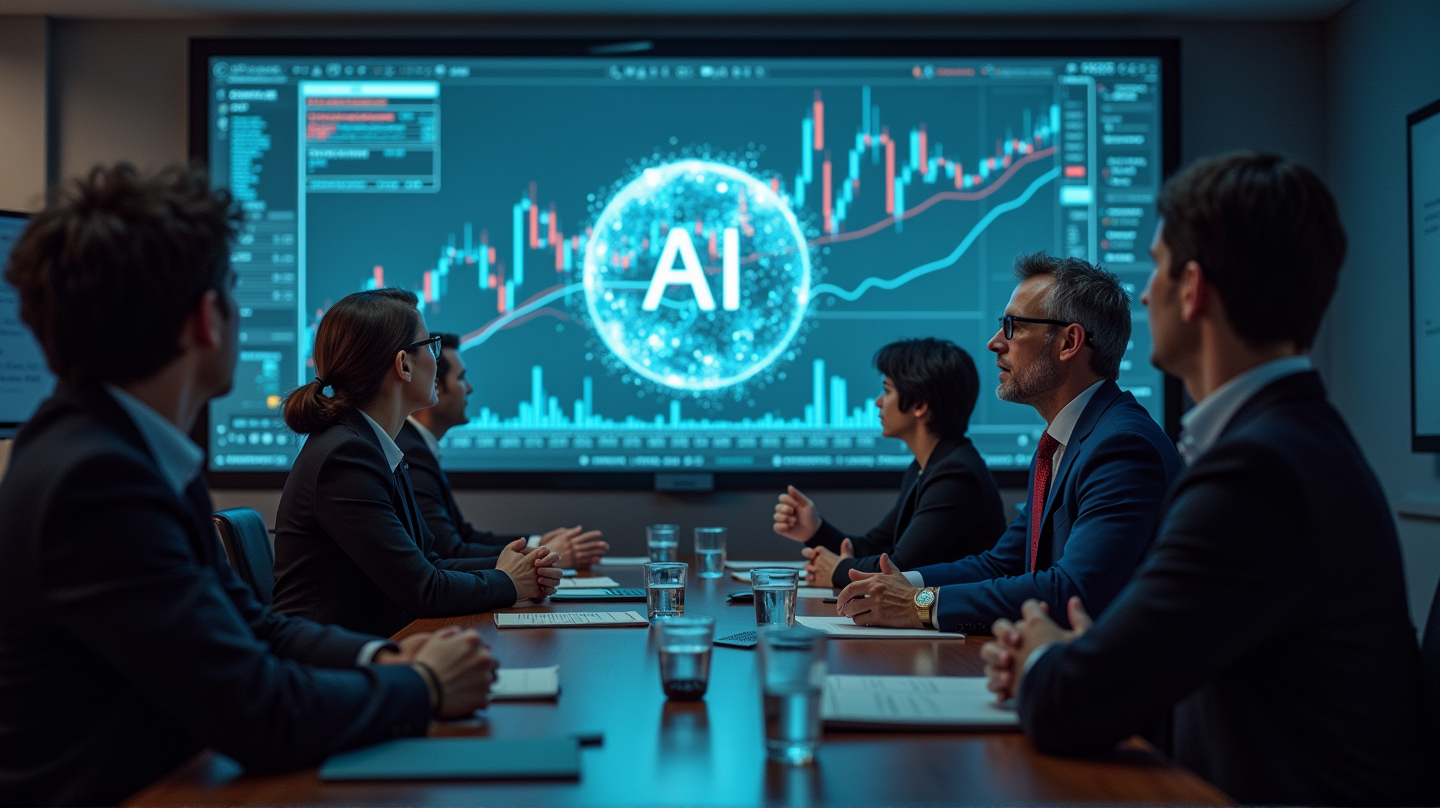
The Ongoing AI Gold Rush
In recent times, the technological landscape has witnessed a meteoric rise in AI’s prominence, with companies betting big on its future potential. As the world watches, Harvard faculty have stepped into the spotlight, dissecting these trends to forecast the fate of what some call the AI bubble. The question lingers: Are we standing on the brink of an economic burst, or is this just a beginning of a new digital horizon?
Navigating Bubble Dynamics
According to Paulo Carvão, a senior fellow at Harvard Kennedy School, the market shows signs of bubble conditions, but he believes the reality may not be as catastrophic as some fear. Carvão outlines two potential outcomes: a sudden burst causing economic upheaval or a slow deflation allowing for market corrections. His insights suggest a preference for the latter, attributing potential risk to certain companies rather than the entire industry.
The Role of Demand in AI’s Future
The demand dynamics for AI are crucial, according to Carvão. With governments and firms ramping up their AI investments, this accelerating demand is seen as a beacon for steady economic growth. Modernizing infrastructure and investing in technology can prevent the feared burst and instead buoy AI’s journey, as partly evidenced by previous government initiatives.
Economical Impacts Scrutinized
David I. Laibson of Harvard raises concerns about AI companies’ profitability and the immense capital expenditures they commit to. He emphasizes that unless banks heavily invest in AI, tying their fate to the tech industry, a broader collapse remains unlikely. Small setbacks in AI stock growth could influence the broader market, given its increasing share in indices like the S&P 500.
A Cautious Yet Optimistic Outlook
While Laibson remains observant of vulnerabilities, fellow economist Jason Furman portrays a less perilous future. He argues that even if AI stock values are overinflated, a dramatic economic fallout is improbable, as these stocks do not significantly form the wealth foundations of the majority.
Conclusion
In the words of the Harvard faculty, the AI bubble, if present, seems less of a ticking time bomb and more of a potential gentle descent. According to The Harvard Crimson, the industry’s future will hinge on strategic growth and responsible investment, rather than unfounded fear of an impending collapse. As technology and innovation march forward, only time will truly reveal if AI’s potential outweighs its pitfalls.