Tariffs Gone Awry: Trump's Economic Gamble and Its Real Impact on Americans
Exploring how Trump's tariffs, while boosting revenue, burden US consumers and contradict 'America First' claims.
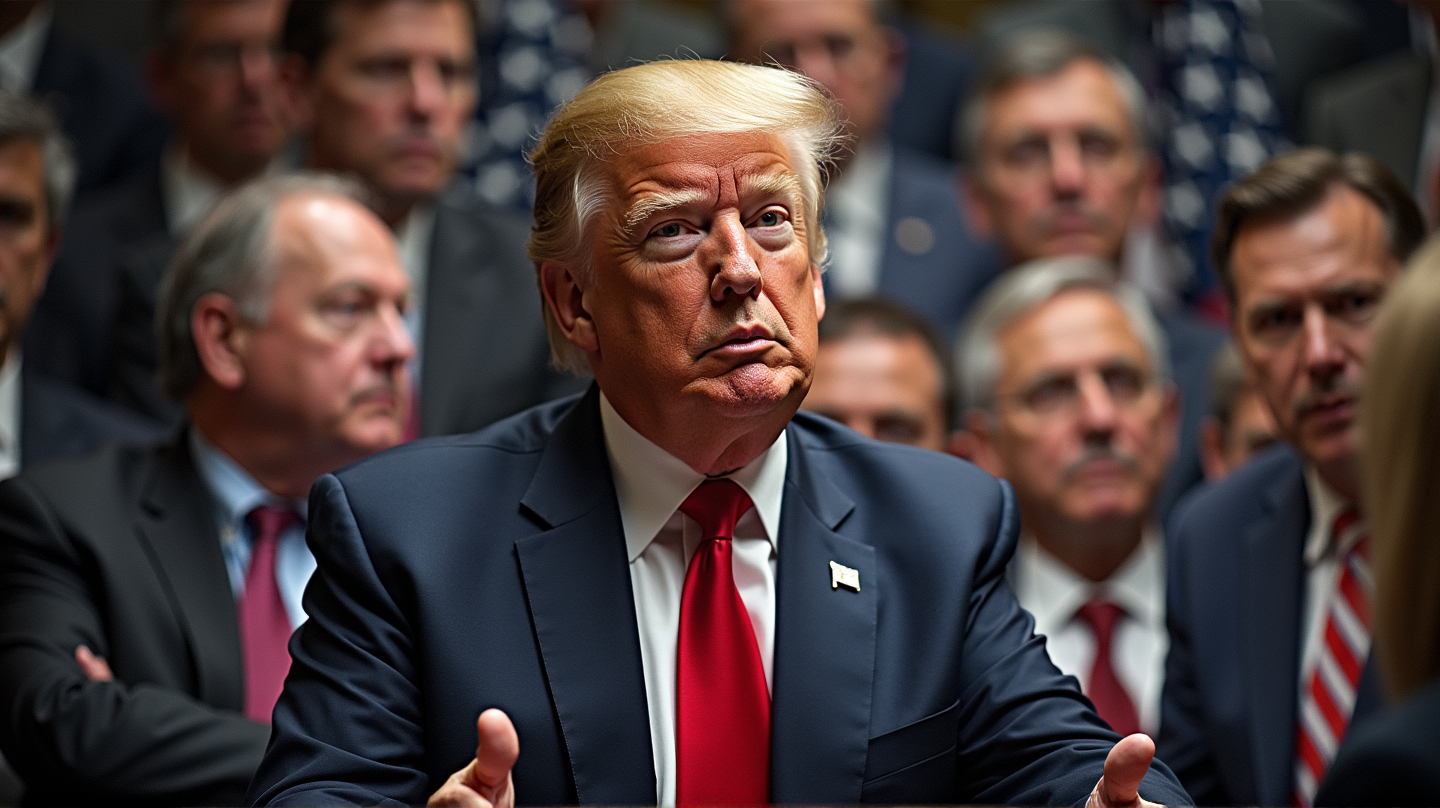
In a bold maneuver to fortify American manufacturing and labor, US President Donald Trump has strategically positioned tariffs as a keystone of his “America First” policy. Yet, as we dive deeper into the economic repercussions, a striking reality emerges—His high tariff walls might be protecting the wrong side.
Surging Tariff Revenues
Trump’s approach has yielded an unprecedented surge in tariff collections. According to Fox Business, duty revenue hit $215.2 billion in Fiscal Year 2025, with record highs continuing into 2026. Yet, a question looms—who foots this hefty bill?
Economic Myth and the Incidence of Tariffs
Contrary to Trump’s promises of foreign financial sacrifices, data reveals that the bulk of tariff costs have cascaded onto American consumers. US households now bear up to 55% of these costs, stretching wallets thinner and challenging the rhetoric of foreign accountability.
The True Inflation Beast
Reflecting on Federal Reserve insights, the inflationary chain reaction of tariffs becomes clear; consumer prices have ticked upwards post-tariff imposition, leading to an inflation surge—1.2% in the short run alone. Former IMF Deputy Gita Gopinath has noted the increased costs on everyday items, further driving the point home.
Real-Time Consequences for Consumers
From the Yale Budget Lab’s detailed economic scenario analysis, it’s visible that tariffs act as a de facto consumption tax. Clothing and textiles prices soared, underscoring their regressive nature. Households, especially lower-income ones, find themselves grappling with a costly economic landscape.
The Government-Citizen Dilemma
A short-term fiscal triumph for Washington, these tariffs, in reality, act as an economic weight on citizens. Yale’s analysis quantifies the per-household income loss at $1,700 in 2025 alone, as aspirations of revenue-funded dividends clash with basic arithmetic constraints.
The Ticking Clock on Fiscal Policy
The “America First” narrative faces a test: Will it withstand the economic distress it lays upon the very Americans it promises to champion? As past decisions ripple through the economy, this dilemma of political popularity versus economic strain is bound to shape America’s course.
In a constantly shifting economic puzzle, Trump’s tariff strategy leaves Americans grappling with complex costs. The conversation isn’t just about numbers and policies anymore—it’s about real lives, and the story continues to unfold, demanding an attentive eye and thoughtful discourse. According to Times of India, the stakes have never been higher.